
 HOME
HOME EXPLORE
 CATEGORY
 DAFTAR
 REFERENSI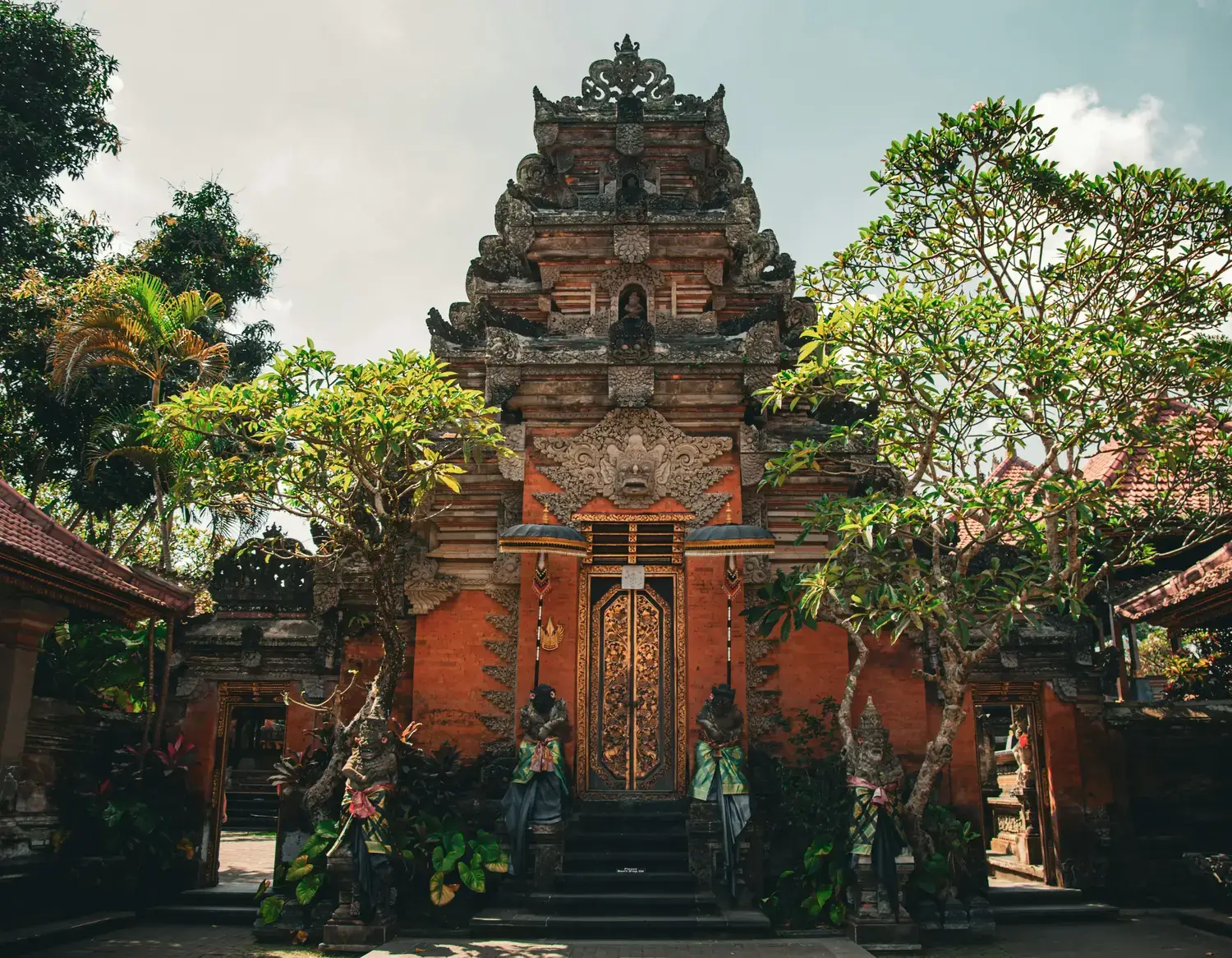
When people picture Bali, beaches, tropical sunsets, and luxury resorts are often the first things that come to mind. Yet, away from the coastline, the island offers another side that is just as compelling. In central Bali, Ubud provides an opportunity to experience traditional arts, historic sites, local customs, and spiritual traditions in a setting surrounded by rice fields and tropical landscapes.
For travelers who want to experience this side of Bali more closely, a temple tour in Ubud can be a meaningful way to discover the island beyond its familiar beach destinations. Rather than simply visiting places for photographs, exploring Ubud’s temples offers a glimpse into traditions that continue to play an important role in everyday Balinese life.
Why Ubud Feels Different from Other Parts of Bali
Ubud has long been associated with Balinese art and culture. The area combines traditional villages, rice terraces, art spaces, historic buildings, temples, and natural landscapes within a relatively compact part of the island.
Indonesia’s official tourism portal describes Ubud as a cultural destination surrounded by lush landscapes and traditional experiences. Visitors can encounter everything from rice fields and local ceremonies to temples and traditional performances.
This combination makes Ubud particularly appealing to travelers who want more than a conventional holiday itinerary.
Instead of spending the entire day at the beach, visitors can start their morning among rice fields, explore a historic temple before the afternoon heat, stop at a traditional market, and finish the day enjoying Balinese food or a cultural performance.
Exploring the Temples Around Ubud
Temples are an important part of the Balinese landscape. They are not simply historical monuments or tourist attractions. Many remain active places of worship, which means visitors need to approach them with appropriate clothing and respect.
Several significant cultural and religious sites can be found in and around Ubud.
Goa Gajah
Goa Gajah, often translated as Elephant Cave, is one of the most recognizable archaeological sites near Ubud. Located in Bedulu, Gianyar, the complex features an ancient cave entrance decorated with distinctive stone carvings, along with courtyards, bathing areas, and other archaeological remains. Indonesia Travel describes the site as having both Hindu and Buddhist influences.
The site is particularly interesting for visitors who enjoy combining history with architecture. The carved entrance immediately creates a sense that this is more than an ordinary tourist attraction.
Because Goa Gajah is relatively close to central Ubud, it can also fit easily into a cultural day trip around the area.
Tirta Empul
Further north, near Tampaksiring, Tirta Empul is known for its sacred spring water and purification traditions. The temple was established more than a thousand years ago and remains an important place of worship.
The complex is particularly known for its holy spring and the traditional melukat purification ritual. Visitors should remember that this is an active religious site, not simply a sightseeing location.
Tirta Empul is approximately 14 kilometers northeast of Ubud, making it a practical addition to an itinerary focused on cultural attractions around the town.
Gunung Kawi
Another fascinating destination is the Gunung Kawi temple complex in Tampaksiring. Unlike conventional temple structures, Gunung Kawi is famous for monumental shrines carved directly into the surrounding rock cliffs.
The complex sits in a lush river valley and includes ten large shrine structures carved into the cliff face. Its combination of archaeology, landscape, and religious significance makes it one of the more distinctive cultural sites near Ubud.
The journey down into the valley also adds a physical element to the visit, making Gunung Kawi particularly appealing to travelers who enjoy destinations that combine culture and nature.
A Cultural Experience Is About More Than Visiting Temples
One of the biggest mistakes visitors can make in Bali is treating cultural sites as a checklist.
Ubud is better experienced at a slower pace.
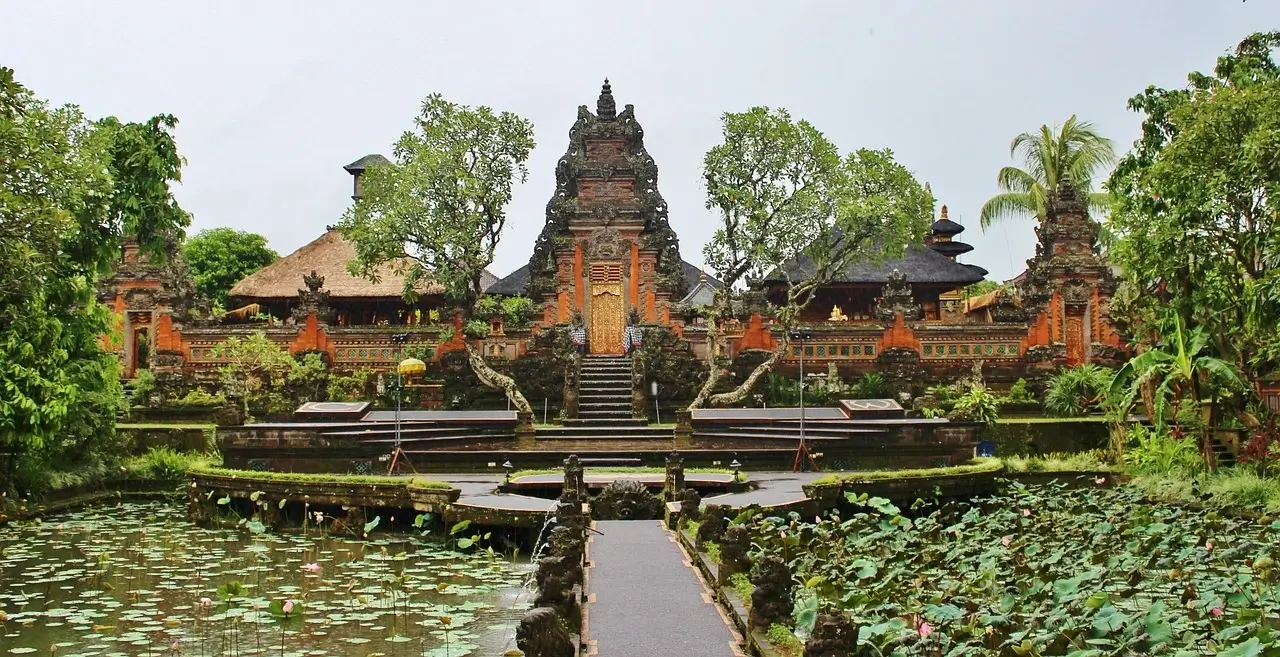
A temple visit becomes more meaningful when travelers take time to notice the details around them: offerings placed outside homes, the sound of traditional music, intricate stone carvings, ceremonial clothing, and the way temples are integrated into village life.
Even a simple walk through the surrounding neighborhoods can reveal aspects of Balinese culture that are easy to miss when moving quickly between major attractions.
For this reason, travelers interested in Ubud’s cultural side may want to combine temple visits with other experiences.
Combine Temples with Other Ubud Experiences
A cultural-focused day in Ubud does not need to consist entirely of temples.
A balanced itinerary could include:
- An early visit to a temple or historic site
- A walk through a traditional village
- A stop at a local market
- Lunch featuring Balinese cuisine
- A visit to nearby rice terraces
- Time to explore Ubud’s art scene
- An afternoon coffee or wellness experience
This approach allows travelers to understand Ubud as a living destination rather than simply a collection of tourist attractions.
Ubud’s appeal comes partly from this variety. Cultural attractions sit alongside rice fields, forests, restaurants, galleries, and traditional communities.
How to Behave When Visiting Balinese Temples
Respect is particularly important when visiting temples in Bali.
Most visitors should dress modestly and follow local instructions. A sarong and sash are commonly required when entering temple areas, although specific rules can vary between locations.
Travelers should also avoid entering restricted areas and should never interrupt religious ceremonies for photographs.
Photography is generally welcomed in many tourist areas, but visitors should use common sense. If people are praying or participating in a ceremony, it is better to maintain a respectful distance.
It is also worth remembering that ceremonies can affect access to certain areas. A temple that is normally open to visitors may have different arrangements during important religious events.
When Is the Best Time to Explore Ubud?
Ubud can be visited throughout the year, but the experience can vary depending on weather, crowds, and the type of activity planned.
Early mornings are generally comfortable for outdoor sightseeing because temperatures are cooler and popular attractions can be quieter.
This is particularly useful when visiting temples and archaeological sites where much of the experience takes place outdoors.
Travelers who prefer a slower and more atmospheric experience may also enjoy spending several days in Ubud rather than treating it as a quick stop between coastal destinations.
Why Ubud Belongs on a Bali Itinerary
Bali is often presented through its beaches, resorts, and nightlife, but the island’s cultural identity is equally important.
Ubud provides one of the easiest ways for visitors to experience that side of Bali. Its combination of temples, historic sites, traditional arts, rice landscapes, and village life creates a destination that feels very different from the coastal resort areas.
The appeal is not simply that there are many attractions to visit. It is the connection between those attractions and the culture that surrounds them.
A visit to Goa Gajah offers a glimpse into Bali’s archaeological heritage. Tirta Empul introduces visitors to the island’s living spiritual traditions. Gunung Kawi demonstrates the relationship between sacred architecture and the natural landscape. Together, these places help explain why Ubud remains one of Bali’s most culturally interesting destinations.
For anyone planning a Bali trip, spending time exploring Ubud can therefore provide a valuable contrast to the island’s better-known coastal attractions.
The beaches may be what first attracts visitors to Bali, but the culture, history, and traditions found around Ubud are often what make the journey truly memorable.
Frequently Asked Questions
Is Ubud good for a cultural trip?
Yes. Ubud is particularly well suited to travelers interested in Balinese art, temples, traditional architecture, rice landscapes, and local cultural experiences.
Which temples can be visited around Ubud?
Goa Gajah, Tirta Empul, and Gunung Kawi are among the notable cultural and religious sites in the wider Ubud and Tampaksiring area. Each offers a different experience, from archaeological remains to sacred springs and cliff-carved shrines.
What should I wear when visiting a temple in Bali?
Visitors should dress modestly and follow the rules of each temple. Sarongs and sashes are commonly required, particularly when entering sacred areas.
Is Ubud worth visiting if I have already been to Bali’s beaches?
Absolutely. Ubud offers a very different side of Bali, with cultural attractions, traditional arts, historic sites, rice fields, and spiritual experiences that are difficult to find in the same form at the island’s coastal resorts.
How much time should I spend in Ubud?
A short visit can cover several major attractions, but spending two or three days gives travelers more time to explore cultural sites without rushing from one destination to another.
Final Thoughts
Ubud shows that Bali is much more than a beach destination. Its temples, archaeological sites, artistic traditions, rice fields, and everyday cultural practices provide travelers with a deeper understanding of the island.
The best experiences often come from slowing down and paying attention to the details rather than trying to see everything in a single day.
For travelers looking to discover a more cultural side of Bali, Ubud is a natural place to begin.
